
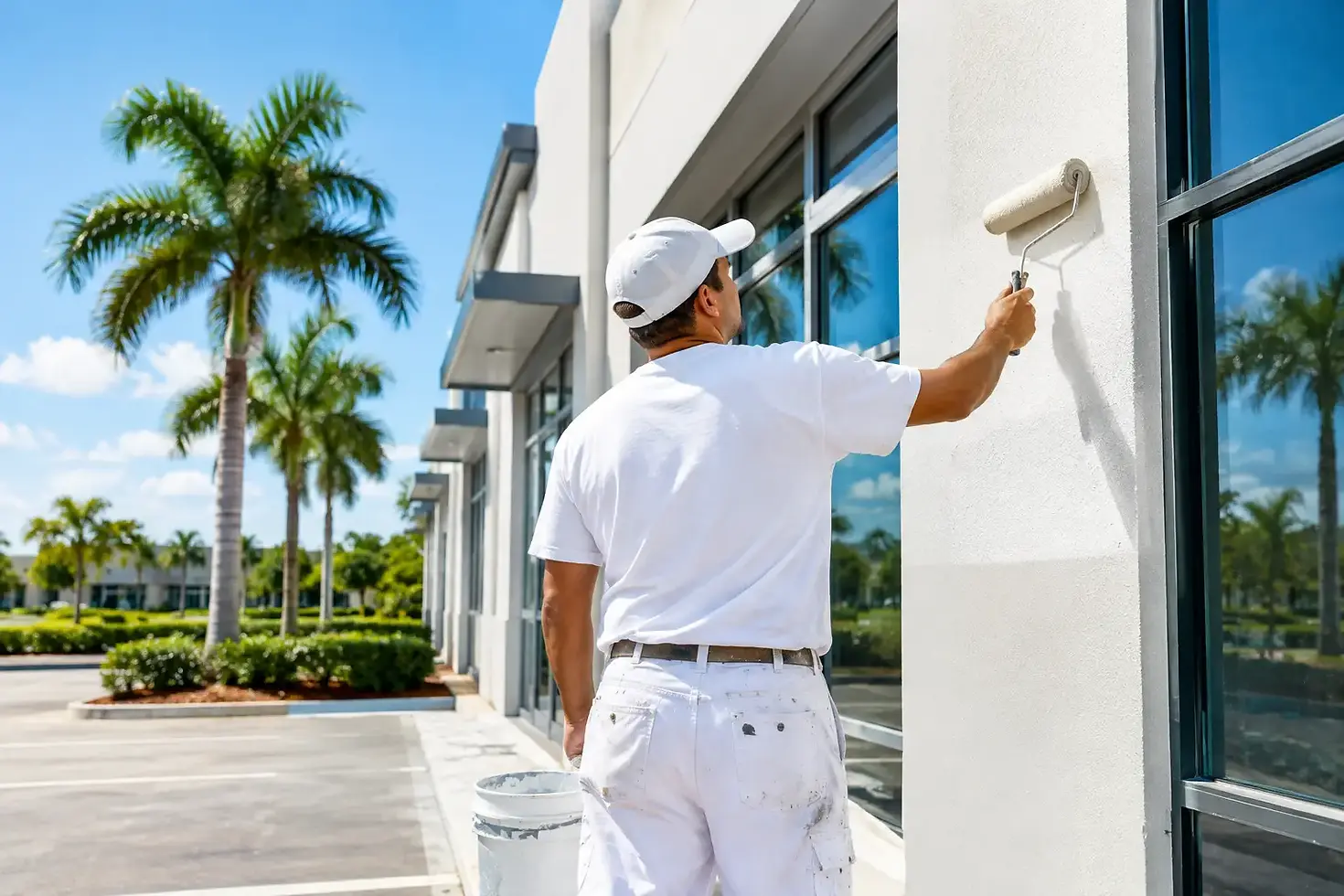
Commercial Painting Maintenance Guide for Florida

A freshly painted business sends a clear message before a customer reaches the front door. In Southwest Florida, keeping that finish sharp takes more than an occasional touch-up. This commercial painting maintenance guide helps property owners and managers protect their investment from sun, humidity, salt air, heavy traffic, and everyday wear without creating unnecessary disruption for tenants, employees, or guests.
Why Commercial Paint Maintenance Matters in Southwest Florida
Paint is part of a building’s protection system, not simply its décor. On exterior surfaces, a quality coating helps shield siding, stucco, trim, metal, and masonry from moisture and UV exposure. Indoors, it creates a cleanable surface that stands up to fingerprints, carts, furniture, cleaning products, and daily use.
Naples-area properties face a demanding combination of intense sunshine, seasonal rain, high humidity, and coastal salt exposure. A finish can fade, chalk, peel, or mildew sooner than expected when small concerns are left alone. Regular maintenance is typically far more manageable than waiting for widespread coating failure that requires extensive preparation and repainting.
There is also a customer-facing reason to stay ahead of it. Faded storefront trim, scuffed hallways, or stained exterior walls can make an otherwise well-run property feel neglected. Whether you operate a retail space, office, medical practice, restaurant, clubhouse, or multi-unit property, a polished appearance supports the standard of service people expect.
A Commercial Painting Maintenance Guide by Surface
Different areas of a commercial property wear differently. A practical maintenance plan accounts for exposure, traffic, and the substrate beneath the paint.
Exterior walls, trim, and entry areas
Walk the exterior at least twice a year, ideally before and after the rainy season. Look closely at south- and west-facing walls, where direct sun can cause color fading and surface chalking. Inspect corners, window trim, doors, soffits, railings, and areas around downspouts, since these locations often show moisture-related issues first.
Light dirt and salt residue should be removed with gentle washing. Use appropriate low-pressure cleaning methods for the surface and avoid harsh pressure that can force water behind paint, damage stucco, or strip caulk. If mildew is present, it should be treated correctly before repainting. Painting over active mildew may improve appearance briefly, but the problem can return through the new finish.
Pay attention to cracks, failed caulk, bubbling paint, and peeling edges. These are not merely cosmetic issues. They can allow moisture to reach the surface underneath, which often increases the scope of later repairs.
High-traffic interiors
Lobbies, corridors, restrooms, break rooms, stairwells, service counters, and tenant common areas need more frequent attention. Establish a simple cleaning routine using a soft cloth or sponge, mild detergent, and water. Test any cleaner in an inconspicuous area first, especially on darker colors or lower-sheen finishes, which can show burnishing when scrubbed aggressively.
Keep a small amount of properly labeled touch-up paint on site. The label should include the room or area, color name, sheen, manufacturer, and date used. Touch-ups are most successful when the original paint and sheen are available. Even an exact color can look different after aging, cleaning, and sun exposure, so a whole wall repaint may be the better choice when marks are widespread.
Metal, concrete, and specialty coatings
Metal railings, gates, doors, bollards, and exterior fixtures should be checked for chips, rust, and paint separation. Surface preparation matters greatly here. A quick coat over rust may hide the issue, but it will not stop corrosion from continuing beneath the finish.
Concrete floors and epoxy-coated surfaces require their own maintenance approach. Sweep frequently to keep grit from acting like sandpaper, clean spills promptly, and use cleaning products approved for the coating. A warehouse, garage, restaurant back-of-house area, and upscale retail floor all experience different types of wear. The right maintenance schedule depends on foot traffic, vehicle traffic, moisture exposure, and the products used in the space.
Build a Schedule That Prevents Bigger Repairs
A maintenance plan does not need to be complicated, but it should be consistent. Monthly visual checks are useful for high-traffic interiors and entrances. Quarterly inspections work well for most commercial properties, while a more detailed exterior review twice each year can identify issues before they spread.
During inspections, document the location and condition of any concerns with notes and photos. This gives property managers a clear record of changes over time and helps prioritize work. A small scuff near a service door may wait for a scheduled touch-up visit. Peeling paint around a window frame or water staining on an interior ceiling should be evaluated promptly because the source of moisture may need correction before painting begins.
A seasonal schedule also makes budgeting easier. Rather than facing a surprise repainting expense, owners can plan for cleaning, caulking, minor repairs, touch-ups, and larger coating projects at the right time. The goal is not to repaint every surface on a rigid calendar. It is to act when the coating’s condition and the property’s appearance call for it.
Know When Cleaning Is Enough and When Repainting Is Needed
Not every blemish means a full repaint. Surface dirt, isolated scuffs, and minor marks often respond well to careful cleaning or a localized touch-up. A professional can help determine whether a spot repair will blend acceptably or whether repainting a wall, elevation, or larger area will deliver a more consistent result.
Repainting is usually the smarter choice when fading is uneven, touch-ups flash in different sheens, paint is chalking across broad areas, or peeling has moved beyond isolated spots. It is also worth considering before a lease renewal, grand opening, inspection, rebrand, or busy season. Scheduling work proactively gives you more flexibility than reacting to visible failure.
Color selection matters in maintenance decisions as well. Very dark exterior colors can absorb more heat, while bright whites may reveal dirt more quickly. High-traffic interiors often benefit from durable, washable finishes, but the correct sheen depends on the surface condition and the desired look. Higher sheen paints are easier to clean in many cases, yet they can highlight drywall imperfections. There is no one finish that suits every commercial space.
Protect the Finish Between Service Visits
Small operational habits can extend the life of painted surfaces. Use door stops where handles strike walls, add protective guards in delivery zones, and address leaking gutters, irrigation overspray, and HVAC condensation quickly. Move furniture carefully, particularly in hallways and waiting rooms where repeated contact can leave chips and abrasion marks.
For exterior areas, keep landscaping trimmed back from walls and avoid directing sprinklers onto painted finishes. Constant moisture and plant contact can contribute to staining, mildew, and premature coating breakdown. If the property is close to the coast, more frequent rinsing may be worthwhile to reduce salt buildup on vulnerable surfaces.
When maintenance involves more than a few small marks, professional preparation makes the difference. Proper cleaning, patching, sanding, priming, caulking, and coating selection are what allow paint to perform as intended. Skipping those steps may reduce short-term downtime, but it often creates a less durable result.
Plan Professional Work Around Your Business
Commercial painting should fit the operation of the property, not interrupt it unnecessarily. Before scheduling, identify the busiest hours, access requirements, security procedures, sensitive equipment, customer pathways, and any odor or ventilation concerns. Phased work, off-hours scheduling, and clear communication can keep a project moving while protecting the experience of customers and employees.
Bella Vita Painting provides commercial painting services with careful preparation, premium Sherwin-Williams products, and a polished approach designed around your property’s needs. A detailed on-site assessment can identify whether your space needs routine touch-ups, targeted repairs, or a more complete refresh.
A well-maintained finish does more than look clean. It gives customers confidence, helps protect the surfaces you own, and keeps your property ready for every first impression that happens tomorrow.


Comments